Table of Content
If you want to see what a house looked like in the 17th century, I recommend visiting the Rembrandt Museum or the Museum Our lord in the attic. Though not in the canal belt, both museums have completely renovated the houses in 17th-century style. They are great examples of furnished houses that show people lived in the 17th century.
The apartment also features a large open plan kitchen/lounge area with lovely fireplace.
Amsterdam in Winter
These gardens cannot be accessed or viewed from the street. Once a year, during the Amsterdam Garden Days, these gardens are open to the public. On Keizersgracht 672, the 19th century interior of the Amsterdam regent family Van Loon can be visited. The canal house was built in 1602 by architect Adriaen Dortsman in the sober Dutch Baroque style. The Jordaan was created for the workers and their workshops and small businesses.
From 1662 the Herengracht was dug further to the East. The new bend in the canal quickly became the poshest canal. The most impressive ‘city palaces’ of Amsterdam were built on Herengracht. His most famous work is the Cromhouthuis at Herengracht. But because Vingboons was Catholic and the power in the city belonged to the protestant elite, he was never asked to create a government building.
Graded Ring Theory
There are hardly any Amsterdam canal houses that have an interior from the 17th century. Most houses were renovated in the 18th century, to make them bigger or adjust them to the fashion of the time. The houses in the Golden Bend of Herengracht are wider than the canal houses that were built fifty years earlier. ‘The Golden Bend’ in the Herengracht is the most famous part of the Amsterdam Canals and symbolizes the wealth and glory of the Amsterdam Golden Century. This canal house on the Prinsengracht is completely renovated.

On many merchant houses, there is still a hoist beam visible next to a small window with shutters. That is because the land along the canals was divided into plots each of about the same size. Some bought two plots of land to build a luxury double-fronted mansion. With this in mind we have taken care to point out on several occasions how certain techniques may be specified to the case of strongly graded rings. Shops on the canals were not allowed, except on corners. The connecting streets of the Amsterdam canal belt is now a popular shopping area with small boutiques known as ‘9 streets‘.
Beaches near Amsterdam
Merchant houses were not just used as a residence, but also to store goods. There are a few architects who created many of the Amsterdam canal houses. The first is Hendrick de Keyser who created an architectural style in the early decades of the 17th century we call ‘Amsterdam Renaissance’. It’s a rather ‘busy’ style in typical Dutch red bricks with lots of ornaments and horizontal lines. In some cases, there is a parallel street between two canals. It was possible to buy also the house along this street, in the back of the canal mansion.
The lower part of these shops was made of wood and the entrance was not with stairs but on streetlevel. The famous Flower Market - the place to buy tulips is the Bloemenmarkt, along the Singel. Just outside the city, there's the Zaanse Schans museum, if you want to learn the history and symbolism of the clog and other tradtional crafts.
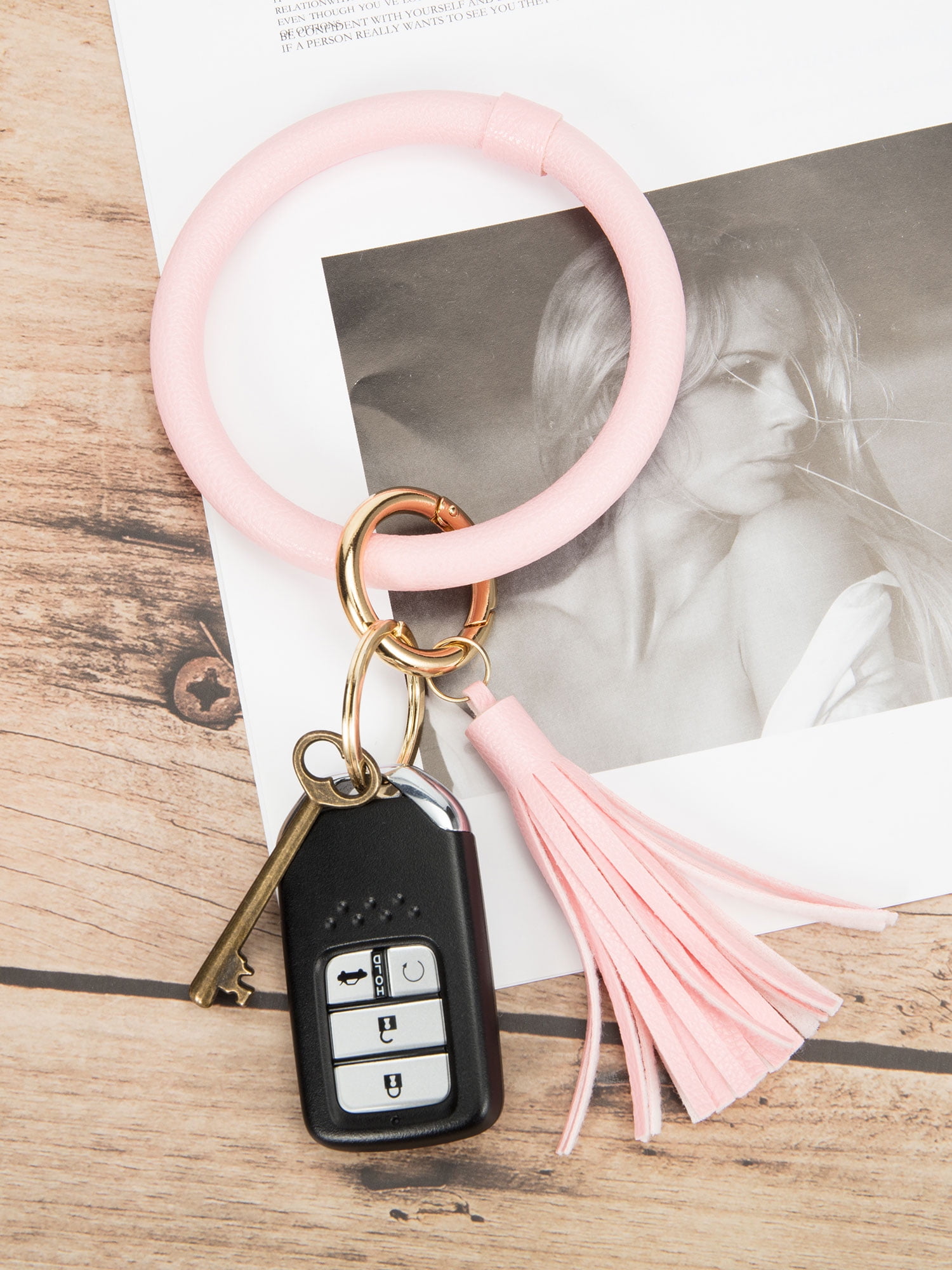
Perfect for car keys, house keys or hiding keys in the flower pot , we have many expressive designs to pick from. You'll always find the perfect key ring at CafePress, whether you want an oval-shaped key ring, square-shaped key ring, heart-shaped key ring or rectangle-shaped key ring. There are more options to see the interior of an 18th-century canal house.

Amsterdam had quickly become the most important city in the world. Our apartment is in the centre of Amsterdam on the South part of the canals near the 'Spiegelgracht' where all the art galleries are. The apartment comprises 2 spacious bedrooms, including a master bedroom ensuite and a smaller bedroom with 2 single beds that can be put together to create a double bed also ensuite. Contemplate the tragic history of the Jewish community with a visit to the home of the diarist, Anne Frank. There are plenty of places to hire them such as MacBike and Rent-A-Bike. Why limit yourself to your second home when you can stay in a THIRDHOME?
Couch houses or carriage houses were very common in the Golden Age, particularly behind canal houses. Rich Amsterdam merchants preferred to be transported along the canals by carriage. As more people could afford a carriage, problems started to arise. With the streets being so narrow, parking was as much of a hassle as it is today. The architecture of Amsterdam canal houses from the 17th century can be distinguished between merchant houses (‘koopmanshuizen’) and a townhouse or mansion (‘herenhuis’).
The famous Amsterdam canals and its canal houses are part of the United Nations World Heritage. The impressive mansions along the Amsterdam canals were built during the Golden Age of Amsterdam. The lavish interior of the Amsterdam canal houses and their architecture reflect the financial and societal success of the merchant families in 17th century Amsterdam.
This was a perfect location for a carriage or coach house and stables. You can still see the old gates of these coach houses in Langestraat and Kerkstraat. In the back of the Amsterdam canal houses, there are spacious private gardens with garden houses.

In 1884 Hendrik van Loon bought the house for his son Willem Hendrik as a wedding present. Willem Hendrik and his wife Thora lived there with their two children and staff. The family’s rich history can be gleaned from the large collection of portraits in the museum. Most remarkable is the restored coach house in the garden which can be visited at the Museum Van Loon.



No comments:
Post a Comment